Source infrared autofocus hd camera module for ATM, Kiosk, Financial Devices
Compare 30 infrared autofocus hd camera module options from verified suppliers. These units support applications in ATM, kiosk, and financial devices with features like USB 2.0 interface and 5MP resolution.
Key considerations
Products List


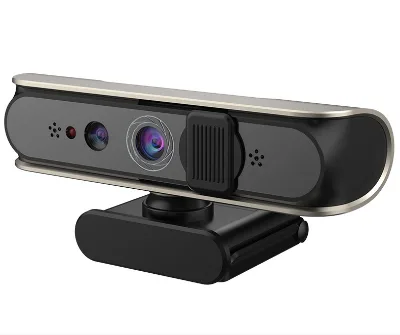
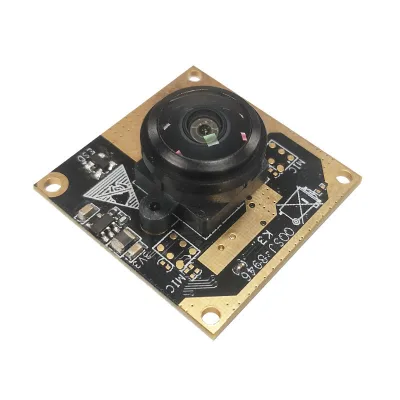
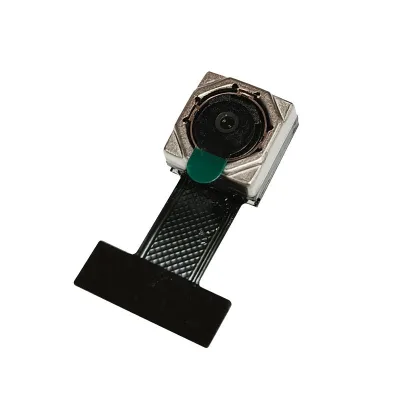
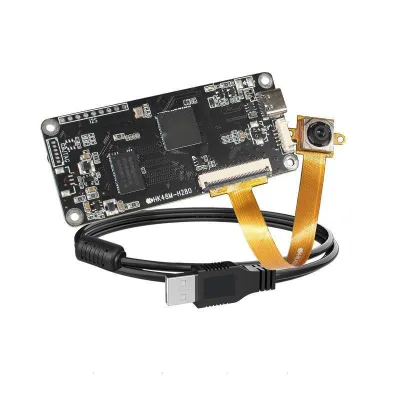


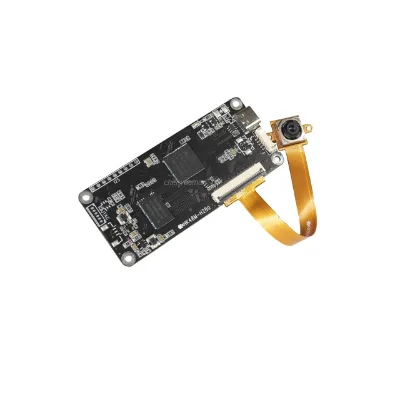


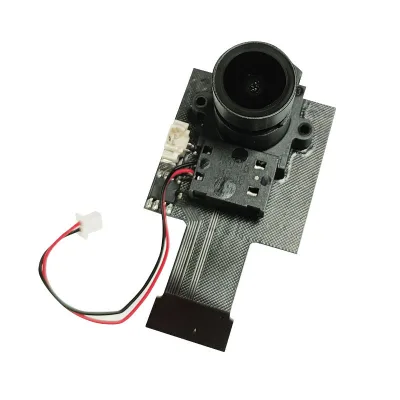
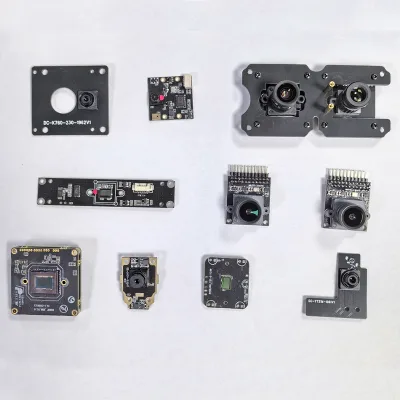
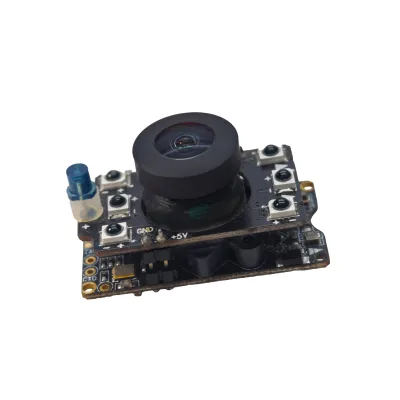
Comprehensive Sourcing Guide
Strategic Sourcing Guide for Infrared Autofocus HD Camera Modules
The procurement of infrared autofocus HD camera modules represents a critical decision point for businesses integrating advanced visual sensing into financial, industrial, and security infrastructure. As the market shifts toward high-definition resolution and adaptive focusing capabilities, buyers must navigate a complex landscape of technical specifications, compliance requirements, and supply chain variables. This guide provides a disciplined framework for evaluating potential suppliers and products, ensuring that the selected components meet rigorous operational standards without relying on unverified marketing claims. The following analysis is grounded in observed market data and established industry practices for electronic component sourcing.
Technical Architecture and Optical Specifications
Understanding the internal architecture of an infrared autofocus HD camera module is the first step in defining procurement requirements. The core of these modules typically relies on CMOS image sensors with specific pixel dimensions and sensor sizes that directly influence low-light performance and field of view. Market observations indicate a prevalence of 1/3-inch and 1/3.2-inch sensor formats, which offer a balance between sensitivity and physical footprint. For instance, specific models utilize a 1/3.2-inch sensor with a pixel size of 2.8 micrometers, a configuration that supports high-definition output while maintaining compact dimensions suitable for embedded applications.
The optical system is equally critical, particularly when autofocus functionality is required. Unlike fixed-focus lenses that rely on a static depth of field, autofocus modules employ motorized lens mechanisms to adjust focal length dynamically. The lens construction often follows standard mount types such as M7, allowing for compatibility with various housing designs. Buyers should verify the available focal lengths, which typically range from 2.8mm to 4.2mm, as these determine the viewing angle and effective distance. In practical terms, an effective distance of 10 to 30 meters is common for applications requiring clear identification of subjects in varying lighting conditions.
Resolution capabilities vary significantly across the product spectrum. While some modules offer standard VGA resolutions, high-end infrared autofocus units are designed to deliver 5-megapixel or 8-megapixel outputs. The interface type is another vital specification; USB 2.0 remains the dominant standard for data transmission, supporting transfer rates up to 480 Mbps. This interface facilitates the delivery of uncompressed or lightly compressed video streams in formats such as YUV or MJPEG, ensuring compatibility with a wide range of host systems. The pixel resolution of 1280h x 1024V or higher ensures that the captured imagery retains sufficient detail for forensic or analytical purposes.
Compliance and Certification Verification
In the B2B procurement of electronic components, regulatory compliance is non-negotiable. Buyers must verify that suppliers possess valid certifications that align with the target markets of their end products. Observed product listings frequently cite compliance with international standards such as CE, FCC, and RoHS. The CE mark indicates conformity with health, safety, and environmental protection standards for products sold within the European Economic Area, while FCC certification is essential for electronic devices operating in the United States to ensure they do not emit excessive electromagnetic interference.
RoHS (Restriction of Hazardous Substances) compliance is particularly important for environmental sustainability and regulatory adherence in many jurisdictions. This standard restricts the use of specific hazardous materials, including lead and mercury, in the manufacturing process. Additionally, ISO 9000 certification serves as a benchmark for the supplier's quality management systems, indicating a commitment to consistent product quality and process control. While some listings mention specific standards, buyers should not assume that every product in a catalog automatically meets these criteria. Instead, procurement teams must request current certification documents and verify their validity with the issuing bodies before finalizing any purchase order.
The manufacturing origin also plays a role in compliance. Many of these modules are produced in industrial hubs such as Shenzhen, China, and Guangdong, regions known for their dense electronics manufacturing ecosystems. While these locations offer significant supply chain advantages, buyers must ensure that the specific factory facilities adhere to the declared standards. The presence of a "Natural Package" or "Paper Box" for individual units is a logistical detail, but it does not substitute for the rigorous testing required to validate safety and performance certifications.
Cost Drivers and Pricing Dynamics
The pricing of infrared autofocus HD camera modules is influenced by a complex interplay of factors, including sensor quality, lens complexity, and production volume. The observed market price range spans from $2 to $2,000, a variance that reflects the diversity of product capabilities. Entry-level modules with fixed focus and lower resolution may fall at the lower end of this spectrum, while high-end units featuring advanced autofocus motors, 5-megapixel sensors, and specialized infrared illumination capabilities command premium prices.
Minimum Order Quantity (MOQ) is another significant cost driver. Suppliers typically enforce MOQs ranging from 1 unit for sampling purposes to 100 units for bulk production runs. Higher MOQs often correlate with reduced per-unit costs, as the fixed costs of setup and calibration are amortized over a larger volume. Buyers must balance the need for inventory flexibility with the economic benefits of bulk purchasing. Customization options, such as specific branding, unique packaging, or tailored firmware, can also impact the final price. These value-added services require additional engineering and production time, which suppliers factor into their pricing models.
It is crucial to distinguish between the unit price and the total cost of ownership. Factors such as lead time, shipping costs, and potential tariffs can significantly affect the overall expenditure. Suppliers located in Shenzhen may offer competitive base prices, but logistics costs and delivery timelines must be accounted for in the budget. Furthermore, the availability of customization services, such as the ability to modify the PCB printing ink to black or adjust the lens construction, adds a layer of complexity that can influence the final cost structure.
Typical Application Scenarios
The versatility of infrared autofocus HD camera modules makes them suitable for a wide array of applications across different industries. In the financial sector, these modules are frequently integrated into ATM machines and self-service kiosks. The ability to capture high-resolution images in low-light conditions is essential for identity verification and transaction security. The effective distance of 10 to 30 meters allows for clear facial recognition and document scanning, even in poorly lit environments.
Industrial and security applications also benefit from the robust performance of these modules. The "Indoor, Outdoor" designation found in product specifications suggests durability against varying environmental conditions. In surveillance systems, the autofocus feature ensures that subjects remain in sharp focus regardless of their distance from the camera, enhancing the utility of the footage for security analysis. The high-definition output supports detailed monitoring, while the infrared capability enables 24/7 operation in total darkness.
Furthermore, the modular nature of these devices allows for integration into custom solutions. The "Series: customizable" attribute indicates that suppliers can adapt the camera module to fit specific form factors or functional requirements. This flexibility is particularly valuable for OEMs developing specialized equipment for financial devices, medical imaging, or automated inspection systems. The interface compatibility with USB 2.0 ensures that these modules can be easily incorporated into existing hardware architectures without requiring extensive redesign.
Supplier Evaluation and Quality Assurance
Selecting the right supplier requires a rigorous evaluation process that goes beyond simple price comparisons. Buyers should assess the supplier's technical capabilities, including their ability to provide custom solutions and their track record with similar projects. The presence of specific model numbers, such as SX-6500G or SX-608W, can serve as indicators of a supplier's product portfolio depth. However, buyers must verify that the specific model meets their exact requirements, as specifications can vary even within the same product line.
Quality control is paramount in the procurement of electronic components. Buyers should inquire about the supplier's testing procedures, including functional testing of the autofocus mechanism, image quality assessment, and environmental stress testing. The "Features: High Definition, Auto Blc" designation highlights the importance of verifying that these features perform as advertised under real-world conditions. Additionally, the "Single gross weight" and "Single package size" details provide insight into the packaging standards, which can affect shipping costs and product protection during transit.
Supplier reliability is another critical factor. Lead times, production capacity, and after-sales support should be thoroughly discussed before placing an order. While some listings mention a "prod_origin" of Shenzhen, buyers must confirm the specific factory's ability to meet their delivery schedules. The availability of "Customization" services is a positive indicator, but it also requires clear communication regarding timelines and costs. A supplier that offers comprehensive technical support and transparent communication is more likely to deliver a successful procurement outcome.
Long-Term Procurement Considerations
Sourcing infrared autofocus HD camera modules is not merely a transactional activity but a strategic partnership that requires long-term planning. Buyers should consider the lifecycle of the product and the availability of spare parts or replacements. The "prod_packing" and "prod_standard" details provide a baseline for understanding the product's durability and compliance, but long-term support is equally important. Suppliers should be able to provide updates on firmware, software compatibility, and any changes in component availability that might affect the product's performance.
Scalability is another key consideration. As business needs evolve, the demand for camera modules may increase, requiring the supplier to scale production without compromising quality. The observed MOQ range of 1 to 100 suggests that suppliers are capable of handling both small-scale prototyping and large-scale production runs. However, buyers should establish clear agreements regarding volume discounts, lead time guarantees, and quality assurance protocols to ensure a smooth scaling process.
Finally, the integration of new technologies should be factored into long-term procurement strategies. The "Degree of Innovation: Innovative" attribute suggests that the market is evolving rapidly. Buyers should maintain a close relationship with their suppliers to stay informed about emerging trends, such as higher resolution sensors, improved autofocus algorithms, or new interface standards. By adopting a proactive approach to supplier management, buyers can ensure that their camera modules remain competitive and effective in the face of technological advancements.
FAQs
What certifications do these camera modules have?
The modules typically hold UR, CE, FCC, and RoHS certifications. These standards ensure compliance with safety and environmental regulations for international markets, though buyers must verify specific documents for each batch.
Which sensor sizes are available for these modules?
Available sensor sizes include 1/4 inch, 1/3 inch, and 1/3.2 inch formats. The 1/3.2 inch sensor often features 2.8-micrometer pixels to support high-definition output while maintaining compact dimensions for embedded applications.
Can these modules support autofocus functionality?
Yes, specific models like the SX-6800AF-1 feature manual focus lenses and autofocus capabilities. Buyers should verify the lens construction type, such as M7, and available focal lengths like 2.8mm or 4.2mm for their specific needs.
What is the effective distance for these cameras?
The effective distance typically ranges from 10 to 30 meters for clear identification. This range supports applications like ATM and kiosk systems where facial recognition or document scanning is required in varying lighting conditions.
How does the interface type affect data transmission?
The modules primarily use USB 2.0 interfaces supporting up to 480 Mbps transfer rates. This standard facilitates video streams in Yuv or Mjpg formats, ensuring compatibility with a wide range of host systems for financial and industrial devices.
What is the minimum order quantity for these products?
The minimum order quantity ranges from 1 to 100 units depending on the supplier. Lower MOQs allow for sampling, while higher volumes often reduce per-unit costs, especially when customization options like branding are requested.
Where are these camera modules manufactured?
These modules originate from manufacturing hubs in Shenzhen and Guangdong, China. Buyers should confirm the specific factory location and its adherence to declared standards like ISO 9000 to ensure consistent quality and supply chain reliability.